

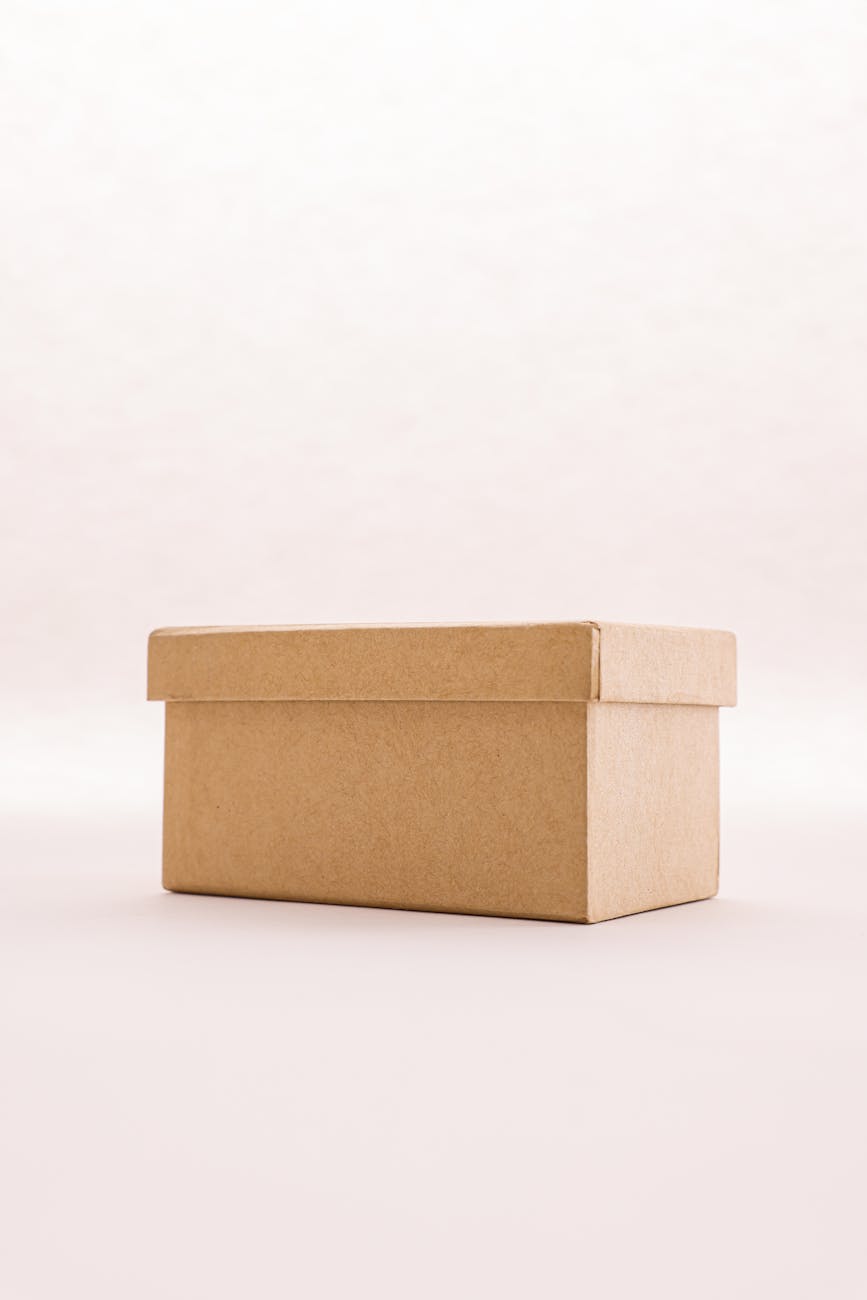
The Shoe box
The last day of eighth grade smelled like floor wax and freedom. Mike sat in the back of Mrs. Wynn’s homeroom, watching the clock tick toward 2:45, his backpack already zipped and ready at his feet. Next to it sat his wrestling bag—the blue Adidas duffle he’d carried every day during season, so worn the shoulder strap had started to fray.
Except the season had ended in March. It was June now. There was no reason to have the wrestling bag.
And conspicuously absent: his rollerblades.
He and Pat skated everywhere during summer—around the school, up and down Wayne Avenue, all over that part of town. Mike had told his mom he was sleeping over at Pat’s to night skate, same as they’d done a hundred times before. She’d signed the permission slip without looking up from her coffee, her hand moving automatically while she stared at something on the counter Mike couldn’t see.
But the rollerblades were hidden in Mike’s closet at home, shoved behind winter coats where no one would think to look.
The wrestling bag held something else entirely.
Inside it, beneath a wadded-up practice singlet he’d thrown in for cover, sat a brown Timberland boot box. He’d packed it that morning at 5:47 AM while everyone else was still asleep. Three Miller Lites from the back of the fridge where his dad kept the rotating inventory of thirty-packs—Mike had pulled them from the rear left corner, the spot his dad never reached for first. A Seagram’s wine cooler he’d found pushed to the back of the shelf behind the orange juice, the glass cold and slick in his hand. And the prize: a plastic water bottle, three-quarters full of Jim Beam, siphoned carefully from the bottle in the liquor cabinet next to the stairs.
The cabinet door had creaked when he opened it. Mike had frozen, heart hammering, listening for footsteps. Nothing. The house breathed around him in the dark—refrigerator hum, water heater click, the ancient settling of walls that had held his family for thirteen years without ever really containing them.
The box fit perfectly in the wrestling bag. He’d measured it the night before.
The bell rang and the classroom erupted. Kids hugged, signed yearbooks, made promises about summer that most of them wouldn’t keep. Mike shouldered his backpack carefully, then grabbed the wrestling bag, feeling the weight of the box shift inside as he slung it over his other shoulder.
The bag looked out of place. He knew it did. But nobody said anything. Nobody asked why he needed his wrestling gear on the last day of school when the season had been over for three months. They just saw Mike with his wrestling bag, same as always, and their brains filled in the rest.
That’s what Mike was learning—people saw what they expected to see. And he was getting good at managing expectations.
He headed for his locker where Pat was waiting.
“Ready?” Pat asked, spinning his combination lock.
“Yeah, man. Let’s get out of here.”
They walked toward Pat’s house in the June heat, heading up Wayne Avenue toward West Chester Pike. They passed the pizza shops with their neon signs already glowing in the late afternoon, the dry cleaner, the hardware store with tools in the window. Small businesses that had been there forever, would probably be there forever, watching an endless parade of kids walk home from school without really seeing any of them.
Mike felt the wrestling bag’s weight with every step—the backpack on one shoulder, the duffle on the other. Two bags on the last day of school when everyone else just had one.
Pat didn’t ask about it. Why would he? Mike always had his wrestling bag.
“My mom won’t be home until like six,” Pat said. “She left money for pizza.”
“Cool.”
Pat’s house was a three-story with his room at the top—just him, his mom, and his sister living in all that space. The kind of house that felt too big and too quiet at the same time.
Mike thought about Colleen McKenna. She’d be at Dairy Queen in a few hours, working the closing shift same as every Friday. Last week she’d leaned across the counter while making his Blizzard and said, “You coming to the pool party at Sarah’s?” and Mike had frozen, his mouth dry, managing only “Maybe” before she’d smiled—not mocking, just easy—and said “You should. It’ll be fun.”
He hadn’t gone. Couldn’t. The thought of walking into Sarah’s backyard pool party, all those bodies and noise and having to just be there without any armor, made his chest tight.
But he’d told himself he would this time. After tonight. After a few beers gave him the easy confidence Colleen seemed to carry naturally, the way she could joke with the football players and theater kids and burnouts all the same, like being herself wasn’t something that required planning.
They reached Pat’s house and headed straight upstairs to his room on the third floor. The climb felt longer with two bags, Mike’s breath coming harder by the second flight. Pat’s room had posters on the walls—wrestling stars, bands Mike didn’t listen to—and a TV with a Nintendo 64 hooked up. Mike dropped his backpack on the floor, then set the wrestling bag down more carefully, unzipping it slowly, watching Pat’s face.
“Dude.” Pat’s eyes went wide as Mike pulled out the boot box. “Where’d you get all that?”
“My house.” Mike set the box on the carpet between them. The cardboard was soft at the corners from humidity, the Timberland logo half-peeled. “My dad buys the thirty-packs, like, every other day. He doesn’t count them.”
“Your parents just let you take their booze?”
Mike shrugged. The truth was more complicated—not that they let him, but that they didn’t notice. His house had become a place where people moved through rooms without really seeing each other, where the liquor cabinet stayed unlocked, where his mom signed permission slips without reading them and his dad came home and went straight for the beer in the back of the fridge, the same spot Mike had learned to raid.
But he didn’t say that. Instead: “It’s a sleepover, man. End of the school year. We should celebrate.”
“Yeah, okay.” Pat grinned, but there was something uncertain in it. “I mean, I’ve never really… my mom would kill me if she found out.”
“She won’t find out.” Mike cracked open the first Miller Lite, the sound sharp and final in the quiet room. “That’s the whole point.”
The first sip hit his tongue, bitter and cold. He’d learned to like the taste, or at least to not hate it. To associate it with what came after—the warmth, the loosening, the volume knob on his anxiety turning down.
He drank faster than he meant to, tilting the can back, letting it pour cold down his throat.
Then it happened.
The warmth bloomed in his chest, spreading outward. His shoulders loosened. The constant hum of worry about saying the wrong thing, being the wrong thing, not being enough—it dimmed. Not gone, but manageable. Distant.
He felt taller. Funnier. Like words would come easier when he needed them.
The beer was half-gone already. He looked at the shoebox on the carpet between them—the lid slightly askew, the cans and wine cooler visible inside, the water bottle of whiskey tucked against the side. More than enough. Plenty to get where he needed to go.
“You want one?” Mike held out a second Miller Lite to Pat.
Pat took it, turned it over in his hands like he was reading the label. Popped the tab carefully. Took a small sip and made a face.
“God, that’s terrible.”
“It gets better,” Mike said, even though it didn’t. Even though it never did.
They sat there drinking, Pat nursing his beer while Mike opened his second. The TV played something—GoldenEye, maybe, or Mario Kart—but Mike wasn’t really watching. He was doing math.
Three beers total. Pat had maybe two sips of his first one. The can sat on his knee, still mostly full, condensation pooling on the aluminum.
Relief hit Mike so hard it surprised him.
More for him.
He calculated automatically: Pat would maybe finish one beer, probably not even that. Which meant two full beers for Mike, plus the wine cooler, plus the water bottle of Jim Beam. Four drinks, maybe five if he stretched the whiskey. Enough to maintain that warm, loose feeling through the walk to Dairy Queen and the conversation with Colleen and whatever came after.
He should feel guilty about that relief. Should feel something wrong about being glad his friend was drinking slower, about already mentally claiming the rest of the alcohol for himself.
But he didn’t.
He just felt relieved.
“So what’s the plan?” Pat asked. “Just hang out? Play some games?”
“Yeah.” Mike took another long pull from his second beer. “And maybe walk down to DQ later. See who’s around.”
Pat raised an eyebrow. “Colleen’s working tonight.”
Heat crept up Mike’s neck. “So?”
“So nothing.” Pat grinned, but it was friendly, not mocking. “She’s cool. You should talk to her.”
“I talk to her.”
“I mean really talk to her. She thinks you’re funny.”
Mike’s hand tightened on the beer can. “She said that?”
“Last week at lunch. She said you made her laugh in science class.”
Something twisted in Mike’s chest—hope and terror braided together. Because what if Pat was right? What if Colleen actually did think he was funny, and he showed up tonight and said something stupid, killed whatever small thing existed between them?
What if he needed to be more than just himself to keep it alive?
He finished the second beer faster than the first. Set it down carefully next to the shoebox. The cardboard was darker now where the condensation had soaked in, the logo completely peeled away.
Pat was still on his first beer. Maybe a third of it gone.
“You good?” Pat asked, and there was something in his voice—not judgment, but genuine question. Like he was actually asking.
“Yeah,” Mike said quickly. “I’m good. Just thirsty.”
He reached for the wine cooler, twisted off the cap. Took a drink. The artificial strawberry taste coated his tongue, sweeter than the beer, easier going down.
This wasn’t normal.
The thought flickered through his head, unwanted. Pat wasn’t keeping pace. Pat looked uncomfortable, like he was drinking because Mike had brought it, not because he wanted to. Pat kept glancing at the door like his mom might come home early.
Mike was already three drinks in and calculating how to get to four.
That wasn’t normal.
He pushed the thought away, took another sip of the wine cooler. Let the warm fuzz in his head spread a little further, smooth out the sharp edges of that unwanted awareness.
“We should probably eat something,” Pat said. “Before we get too…” He gestured vaguely at the shoebox.
“Yeah, sure. Pizza?”
“Cool.”
Pat stood up, headed for the door. Mike stayed on the floor, looking at the shoebox between his knees. The lid hung open like a mouth. Inside: one full beer, the water bottle of whiskey, the empty wine cooler bottle he’d need to hide later.
His stash. His supply. His carefully planned, meticulously stolen, perfectly concealed escape route from being just Mike.
He pulled the shoebox closer to his side of the carpet. Not obvious. Just a small adjustment, a slight shift that put it more in his space than Pat’s.
Just in case.
The third beer opened with the same crack and hiss as the first two. Mike brought it to his lips and drank, watching the afternoon light come through Pat’s window, golden and perfect and completely unaware that anything was wrong.
By the time they walked to Dairy Queen three hours later, Mike would be exactly where he needed to be—warm and loose and funny, or at least feeling like he was. He’d talk to Colleen. She’d smile. Maybe she’d mention the pool party again.
Maybe this time he’d say yes.
The shoebox sat between his knees, lighter now, the weight of its contents redistributed into Mike’s bloodstream where it did its work, where it always did its work, turning fear into something that felt like confidence and need into something that looked like choice.
He finished the third beer and reached for the water bottle of whiskey.
Pat was downstairs ordering pizza, his voice carrying faintly up three flights of stairs.
Mike unscrewed the cap and drank straight from the plastic bottle, the whiskey burning sharper than the beer, hotter, more honest about what it was.
The shoebox gaped open beside him, empty except for the last can and the growing collection of empties Mike would need to hide before Pat’s mom came home.
He’d figure it out. He always did.
That’s what he was good at now—the planning, the hiding, the calculating, the careful management of supply and demand and expectation.
He took another pull from the whiskey bottle and felt the warmth spread deeper, felt himself become the version of himself he needed to be.
Outside Pat’s window, the June afternoon stretched toward evening, and somewhere down the street, Colleen McKenna was scooping ice cream and wiping down counters, completely unaware that a thirteen-year-old boy was drinking stolen whiskey in preparation for the possibility of talking to her.
Mike screwed the cap back on the water bottle and set it carefully inside the shoebox.
One beer left.
He’d save it for later.


 Mike Hamson