

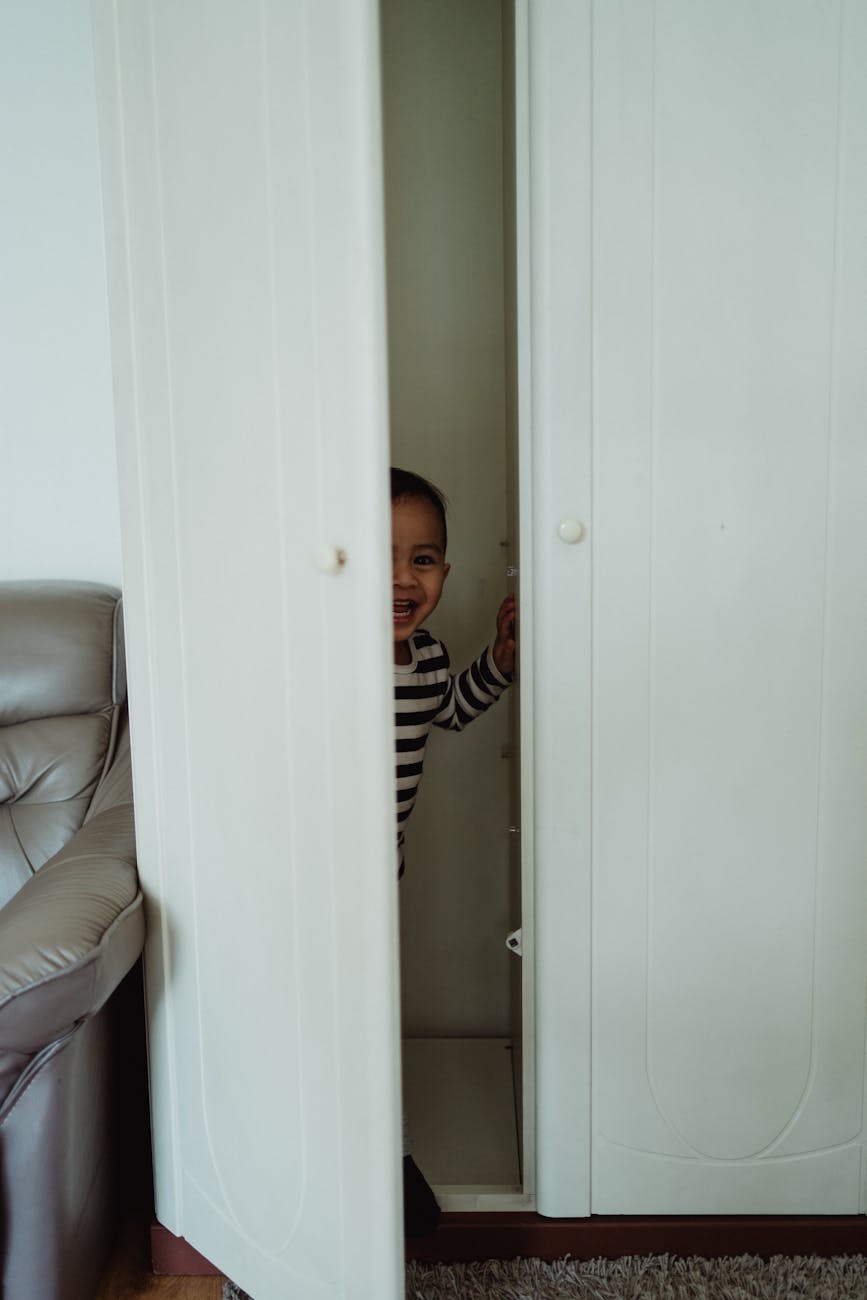
Mike was five years old when his mother and older sisters went to see Michael Jackson’s Bad tour without him.
Too young, they said. Too expensive, they said. Maybe when you’re older, they said.
They left him home with his father, who spent the evening in his chair with a beer and the television, barely noticing Mike existed. They came home late, giddy and loud, talking over each other about the moonwalk and the glove and how Michael had grabbed his crotch during “Billie Jean” and the whole stadium had screamed.
Mike sat on the stairs in his pajamas and listened to them relive it. Every detail. Every song. Every moment he hadn’t been there for.
He went to bed furious.
Five-year-old furious, which is a specific kind of rage—pure, uncomplicated, and absolutely certain of its own righteousness. They had gone to see the greatest performer in the world and left him behind like he didn’t matter. Like he was too small to count.
He’d show them what too small could do.
—
The next time Dawn babysat him—a week later, maybe two—Mike had a plan.
Dawn was sixteen and mostly interested in talking on the phone with her friends. She made him a sandwich, turned on the TV, and disappeared upstairs to her room where she could stretch the phone cord under her door and talk for hours.
Mike ate the sandwich. Watched five minutes of cartoons. Then he slipped off the couch and moved through the house like a ghost.
Past the kitchen. Past the den. Into the formal living room.
The white room.
His mother called it the white room because everything in it was white—white couches, white carpet, white curtains, white decorative pillows that nobody was allowed to touch. It was the room they only used when company came over, the room where you had to take your shoes off at the door, the room that existed more as a display than a space for actual living.
In the corner stood a bar. White marble top, white cabinets underneath, mirrored backing that made the room look twice as big. His father kept bottles there—fancy ones for guests, dusty ones that never got opened, the kind of alcohol that came in crystal decanters instead of aluminum cans.
Behind the bar was a gap. Narrow, dark, just big enough for a small five-year-old to wedge himself into.
Mike crawled in. Pulled his knees to his chest. Settled in.
And waited.
—
He heard Dawn come downstairs twenty minutes later.
“Mike? You want a snack?”
Silence from behind the bar.
Her footsteps moved through the kitchen. The den. The hallway.
“Mike? Where are you?”
He could hear the first edge of concern in her voice. Good.
More footsteps. Faster now. Upstairs, downstairs, calling his name with increasing urgency.
“Mike! This isn’t funny! Where are you?”
It was a little funny.
He pressed himself deeper into the gap behind the bar, his back against the wall, his knees tucked tight. The space smelled like dust and old carpet and the faint chemical tang of furniture polish.
Dawn’s voice got louder. Sharper. Scared.
“MIKE!”
He heard her run outside. Heard the screen door slam. Heard her calling his name into the yard, into the street, her voice cracking now with real panic.
He stayed perfectly still.
Because he was five and stubborn and Taurus-born, and he’d committed to this. They’d left him behind for Michael Jackson, and now Dawn would know what it felt like when someone you were supposed to watch just disappeared.
—
Time did strange things when you were hiding.
It stretched and compressed. Mike couldn’t see a clock from his spot behind the bar, couldn’t see anything except the white cabinet in front of him and a thin slice of room visible through the gap. He heard everything though—Dawn on the phone, her voice high and frantic. Footsteps pacing. The front door opening and closing. More voices. Adult voices.
His father was home.
“What do you mean you can’t find him?”
“He was just watching TV and then he—I don’t know, Dad, he’s gone!”
More footsteps. More calling. His name bouncing off walls, getting more desperate with each repetition.
Mike’s legs were starting to cramp. His back hurt from the awkward angle. He needed to pee.
But he didn’t move.
Then he heard the sound that changed everything: sirens.
Faint at first, then louder, then stopping right in front of the house. Car doors slamming. Heavy footsteps on the porch. Deep voices in the entryway.
Police.
Dawn had called the police.
Something cold dropped into Mike’s stomach. This had gone further than he’d planned. This was serious now. This was real.
But he’d been hiding for hours at this point, and his five-year-old logic told him that coming out now would mean he’d wasted all that time for nothing. Plus, he was already in trouble. Might as well commit.
He heard the cops talking to Dawn, voices calm and professional. Heard them ask when she’d last seen him. What he was wearing. Whether he might have run away.
One of them walked into the white room.
Mike held his breath.
The cop’s footsteps were heavy on the white carpet—the carpet nobody was supposed to walk on with shoes. His mother would be furious about that later. The thought almost made Mike smile.
“Kid? You in here? Mike?”
The voice was kind. Patient. The voice of someone who’d done this before, who knew that lost kids usually weren’t lost, just hidden.
“Nobody’s mad. If you’re playing hide and seek, you won. You can come out now.”
Mike stayed frozen.
The footsteps moved closer. Stopped right in front of the bar.
Mike could see the cop’s shoes through the gap—black leather, scuffed at the toes. The cop leaned over the bar, and suddenly his face appeared upside-down, looking right at Mike in his hiding spot.
Their eyes met.
The cop’s mouth twitched. Not quite a smile, but close.
“Found him,” he called over his shoulder, and Mike heard the relief in his voice, heard it echo in the sounds from the entryway—Dawn’s gasp, his father’s exhale, the other cop’s low chuckle.
“You can come out, buddy,” the cop said, his voice gentle. “Show’s over.”
Mike crawled out from behind the bar, his legs stiff, his face hot with embarrassment and defiance in equal measure.
The cop helped him stand. Brushed dust off his shirt.
“You gave your sister quite a scare,” he said, and there was amusement in his eyes. “That why you were hiding? You mad at her?”
Mike nodded.
“What’d she do?”
“They went to Michael Jackson without me.”
The cop pressed his lips together, clearly fighting a smile. The other cop, appearing in the doorway, didn’t fight it at all—he laughed outright.
“The Bad tour?” the first cop asked.
Mike nodded again, his stubborn Taurus pride refusing to let him feel ashamed.
“That’s a pretty good reason,” the cop said, completely serious now. “I’d be mad too.”
—
Dawn stood in the doorway, her face red and blotchy from crying. She looked at Mike with an expression he’d never seen before—relief and fury and something like respect all mixed together.
She’d been got. She knew it. Mike knew it. The cops knew it.
His father appeared behind her, his face unreadable.
“He was behind the bar the whole time?” his father asked.
“Yep,” the first cop said. “Committed to the bit.”
The second cop was still grinning. “Kid’s got patience. Most of them give up after twenty minutes.”
Dawn crossed her arms. “I’m never babysitting you again.”
“That’s fair,” the first cop said, and Mike could hear the smile in his voice even though his face stayed professional.
They asked if Mike was okay. Asked if he needed anything. Asked Dawn if she wanted to press charges for the heart attack he’d given her.
She didn’t laugh.
The cops left, still chuckling about the Michael Jackson revenge plot. Dawn went to her room and slammed the door. His father looked at Mike for a long moment, then went back to his chair and his beer without saying a word.
Mike went upstairs to his room.
No consequences. No punishment. No lecture about the dangers of hiding or the cost of emergency services or the trauma he’d inflicted on his teenage sister.
Just silence.
Which, in his house, was as close to approval as you could get.
—
Years later, when Mike had become an expert at disappearing—into bottles, into blackouts, into basements and bedrooms and the back seats of wrecked cars—he’d sometimes think about the white room. About the hours behind the bar. About the satisfaction of hearing Dawn panic, of watching the cops fight smiles, of executing a perfect revenge plot at five years old and walking away clean.
His first successful disappearing act.
Not his last.
But the only one that was actually funny.
Discover more from Mike Hamson
Subscribe to get the latest posts sent to your email.

